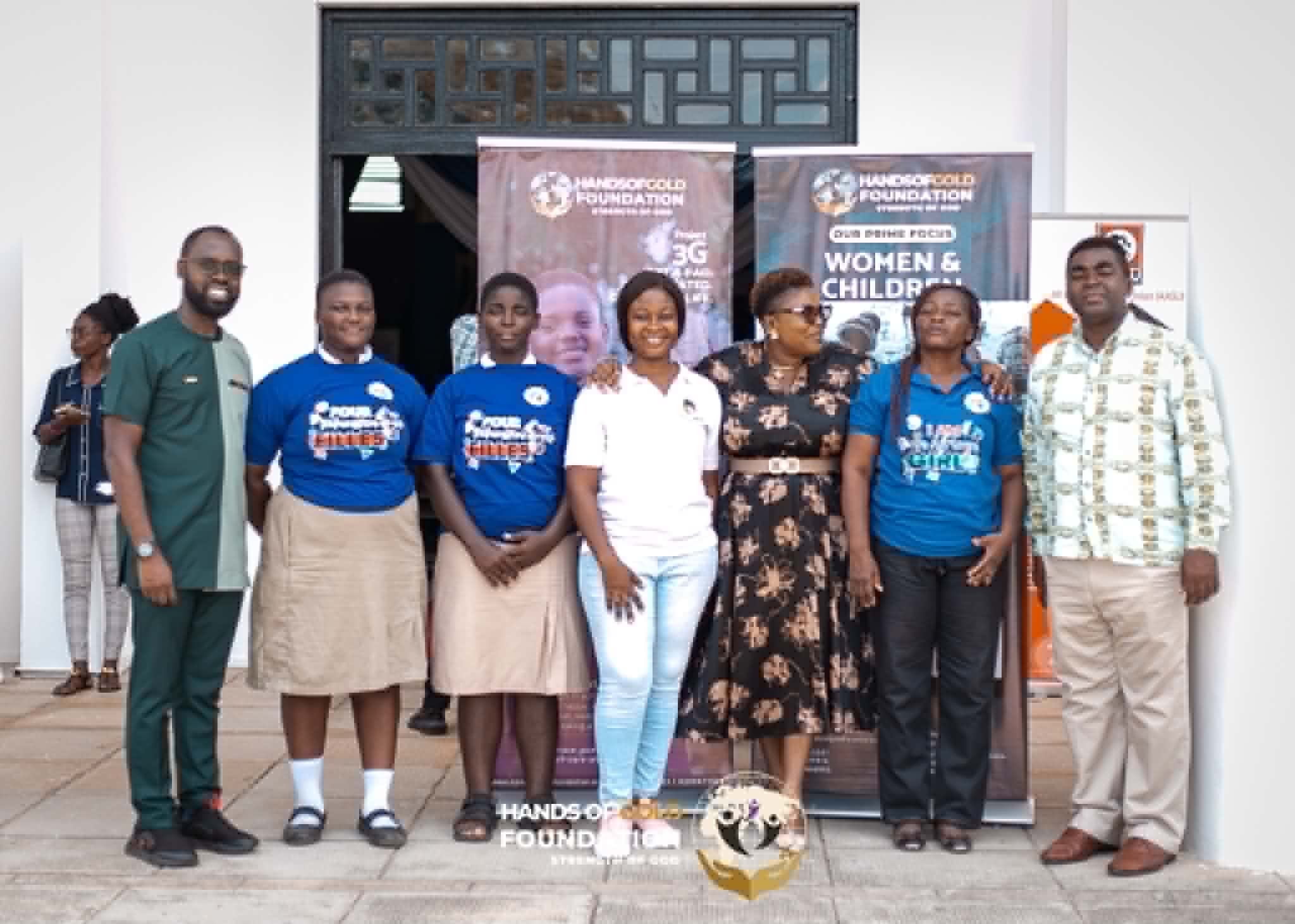
Empowering the Future: Hands of Gold and GES Champion the Girl Child Through Africa Educates Her Campaign
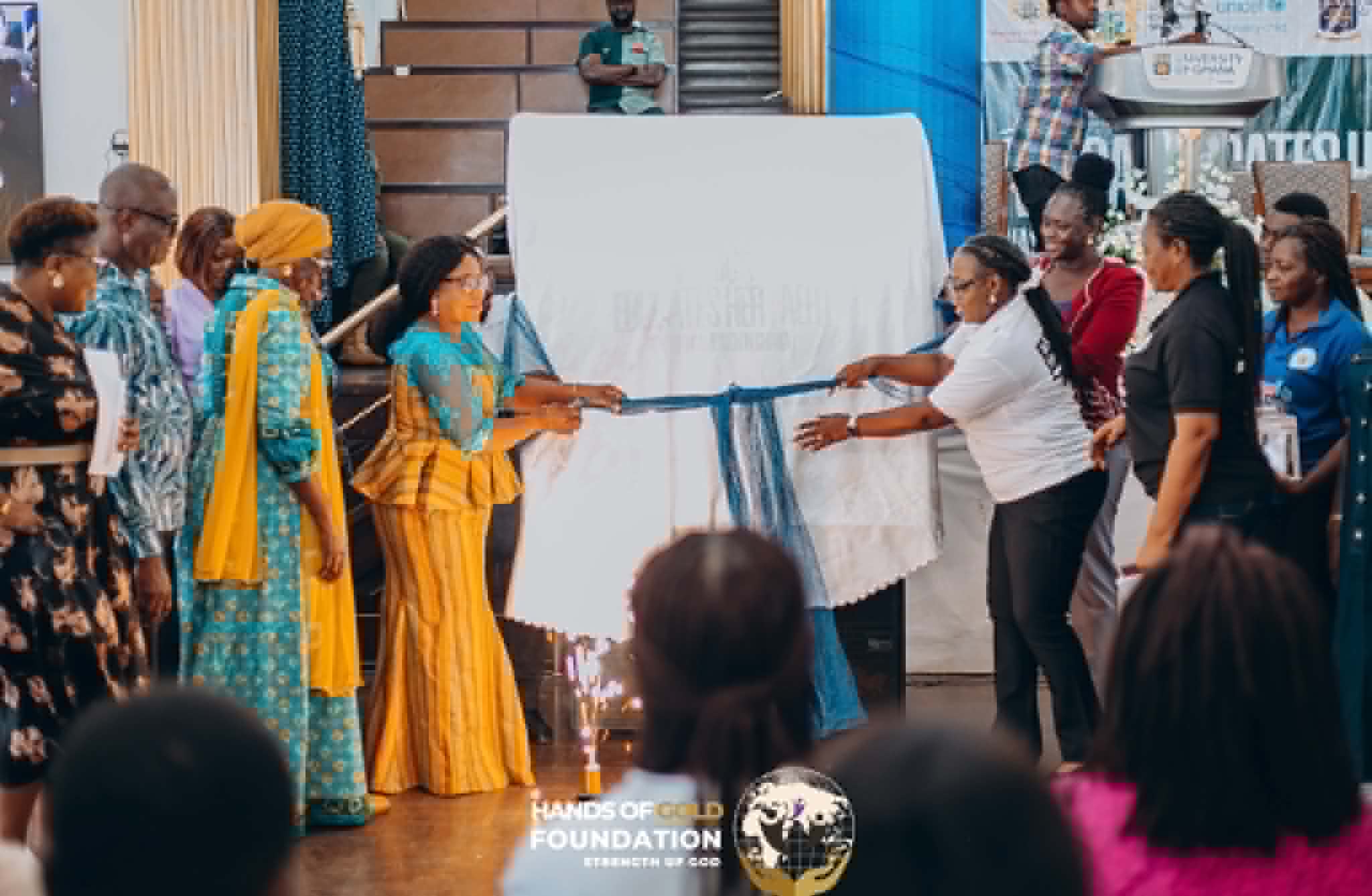
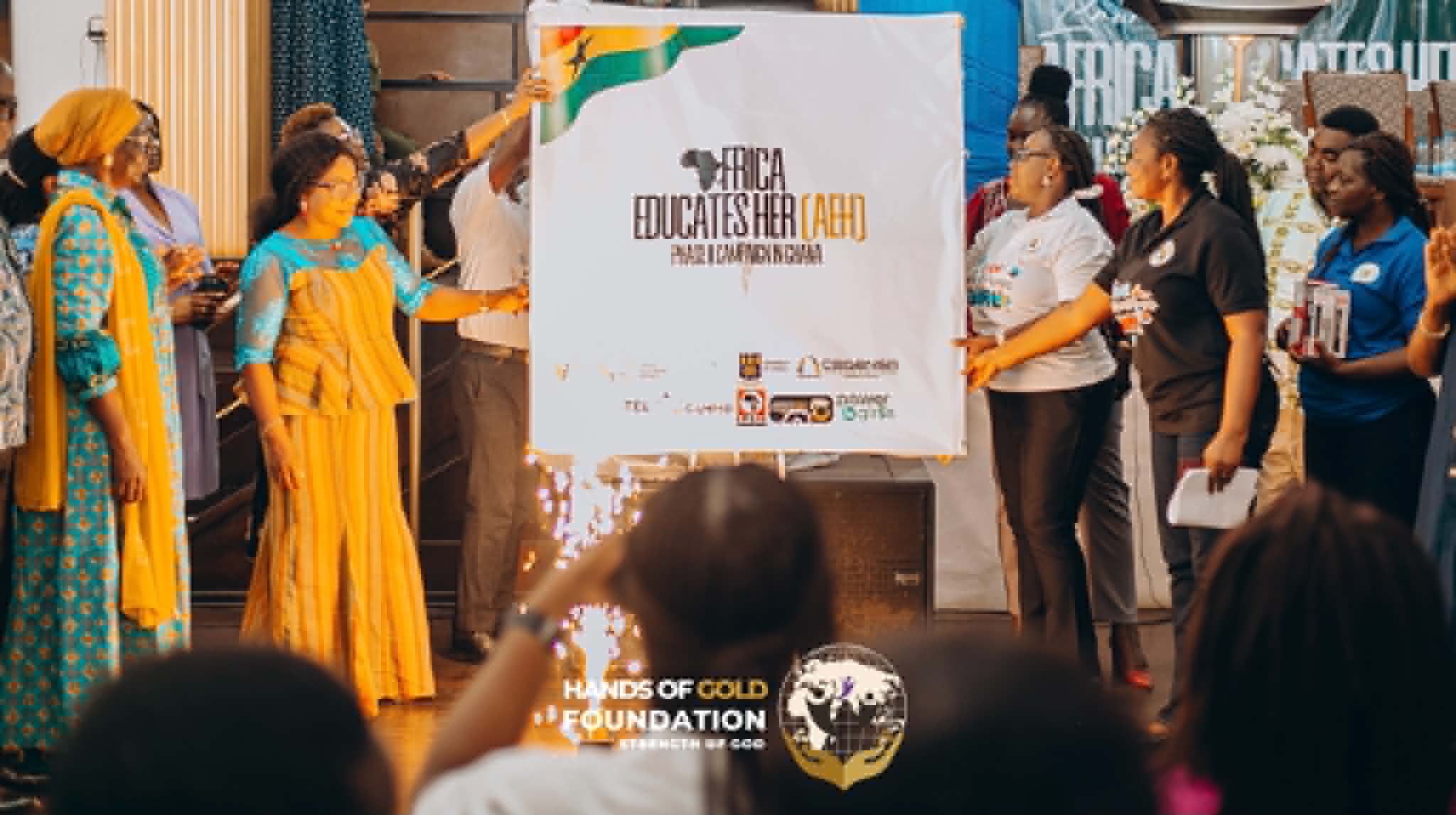
In a renewed drive to secure the future of girls through education, Hands of Gold, an Accra-based Non-Governmental Organization, in partnership with the Girl Child Education Unit of the Ghana Education Service (GES), has launched the second phase of the Africa Educates Her Campaign in Accra.
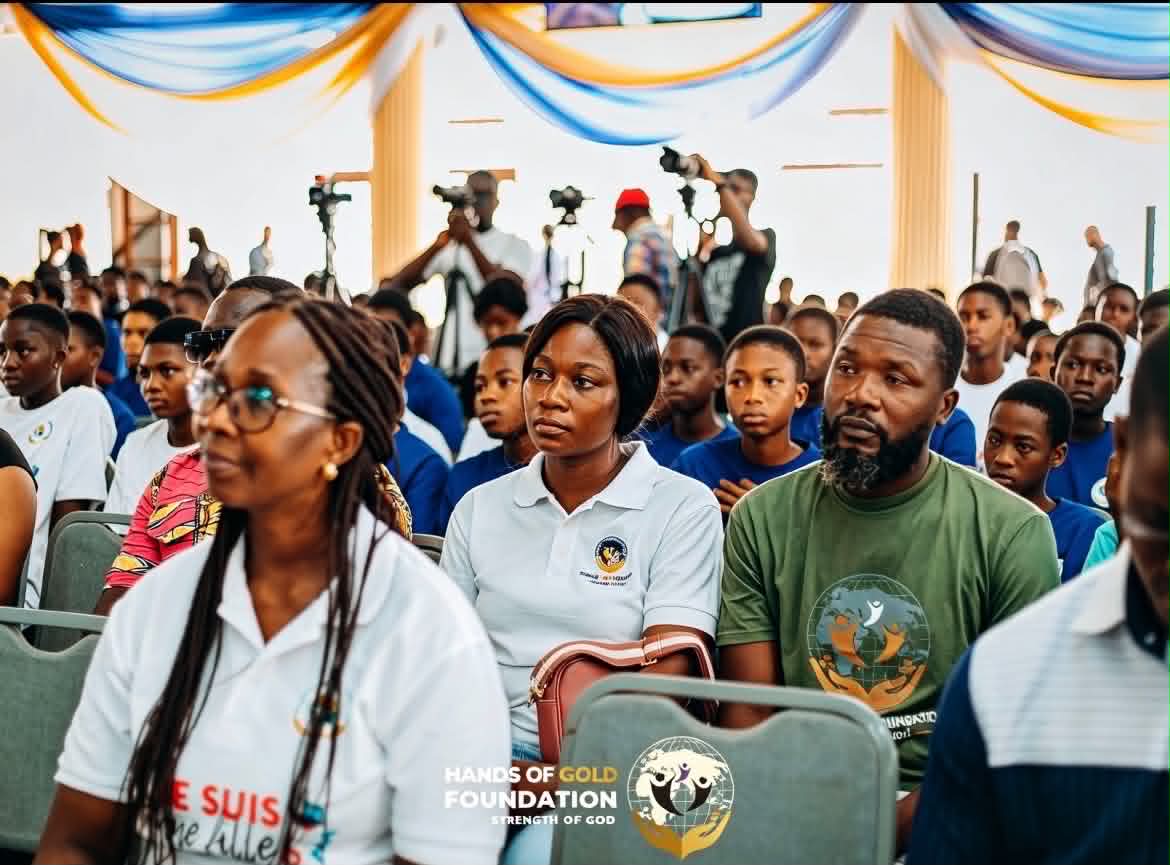
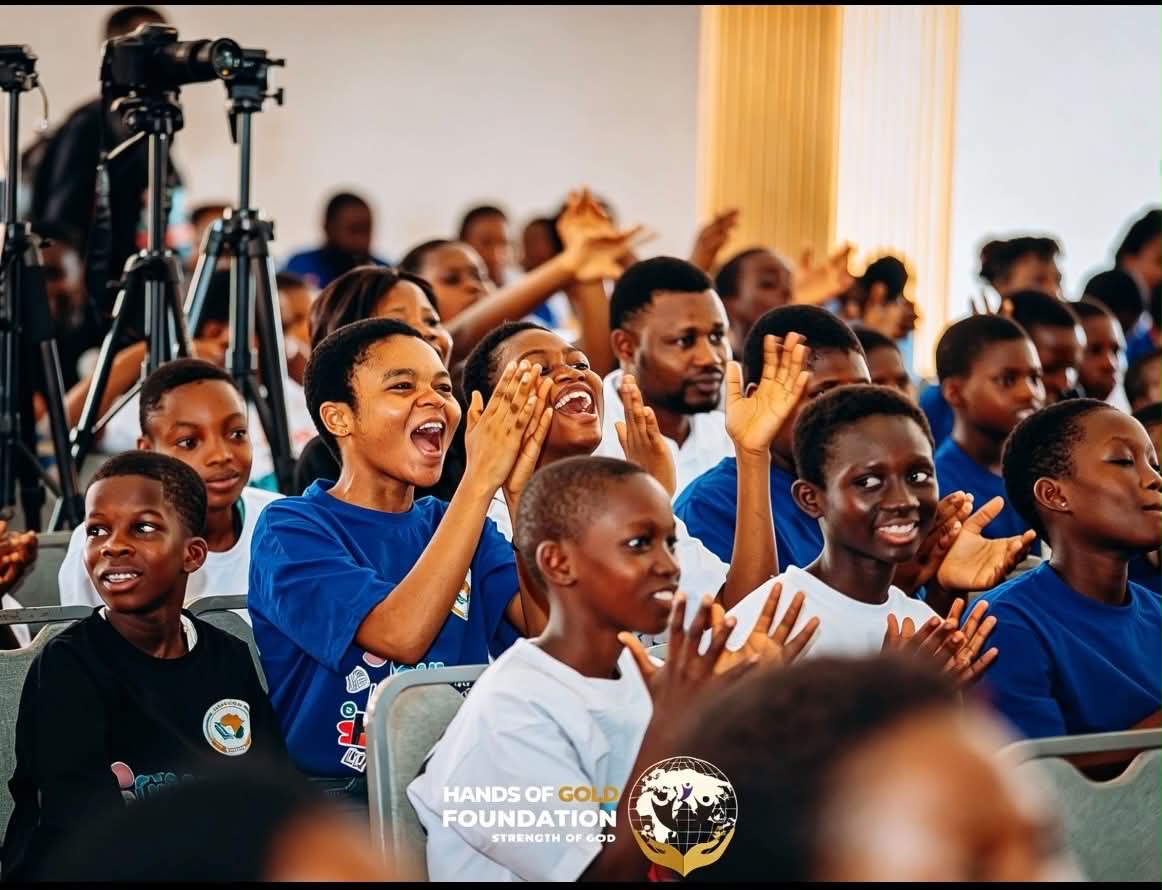
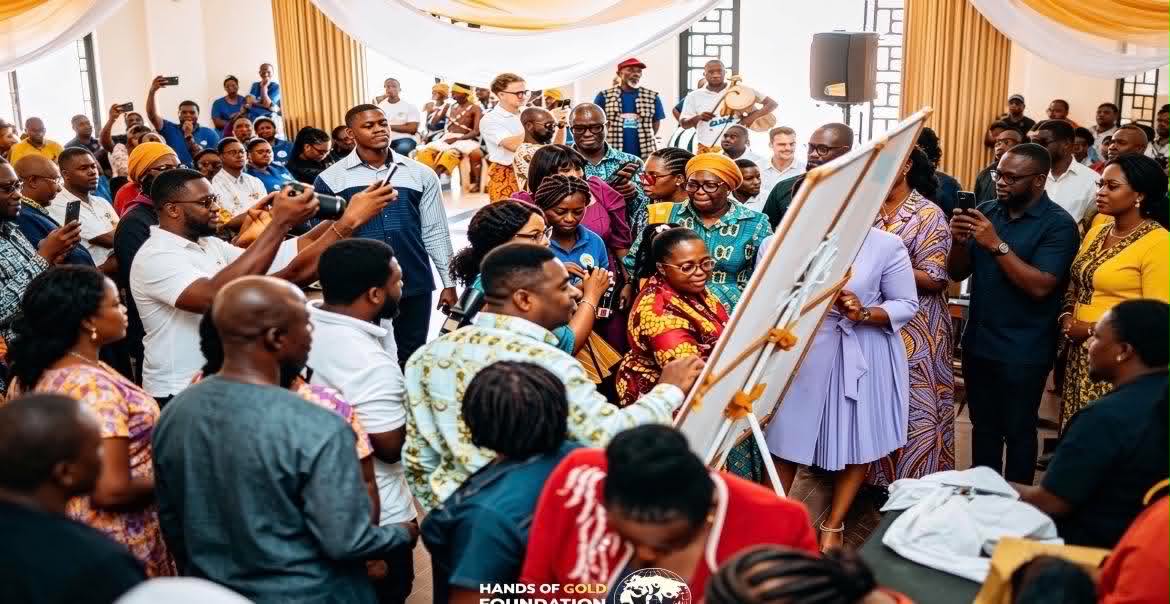
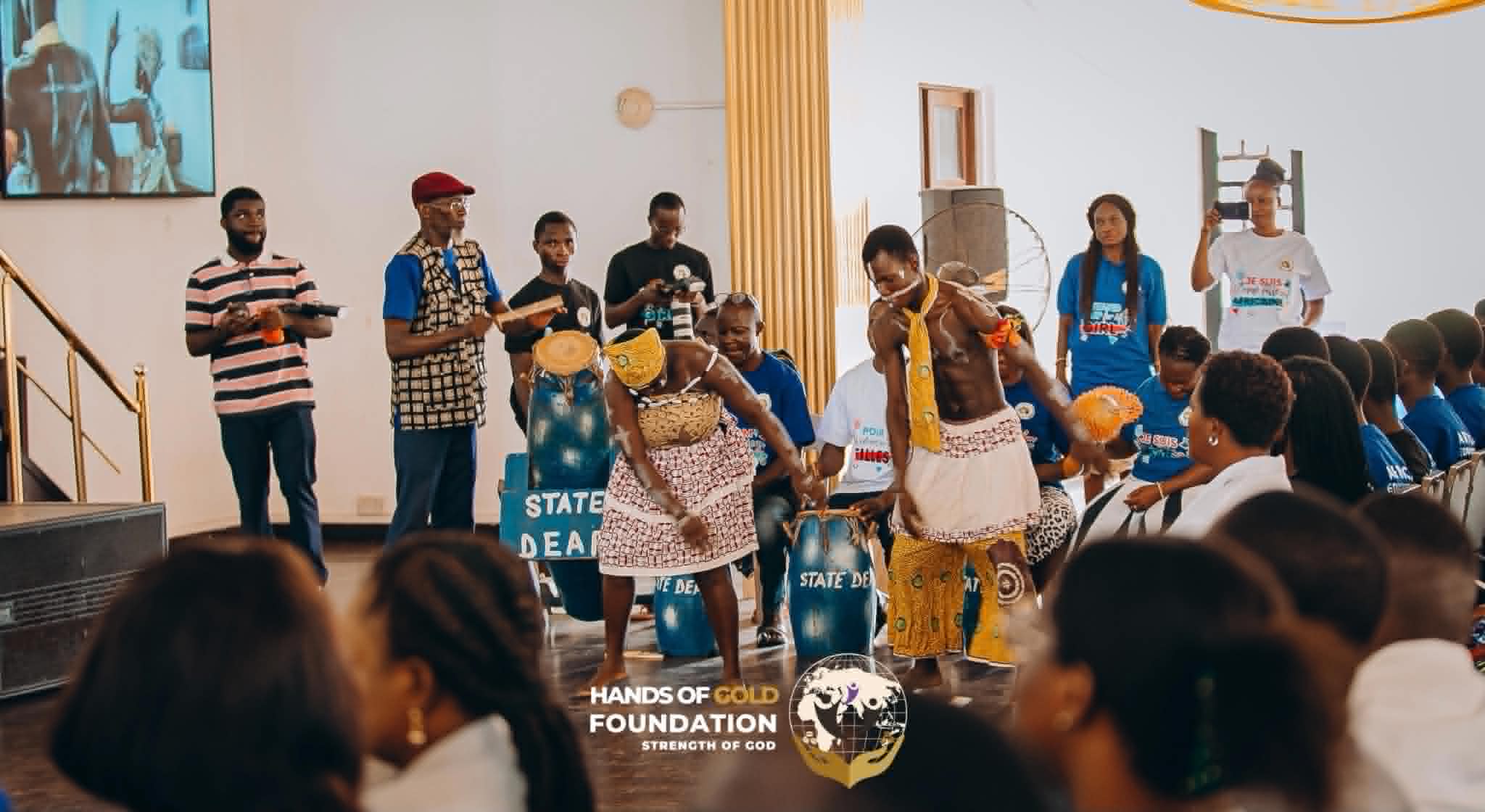
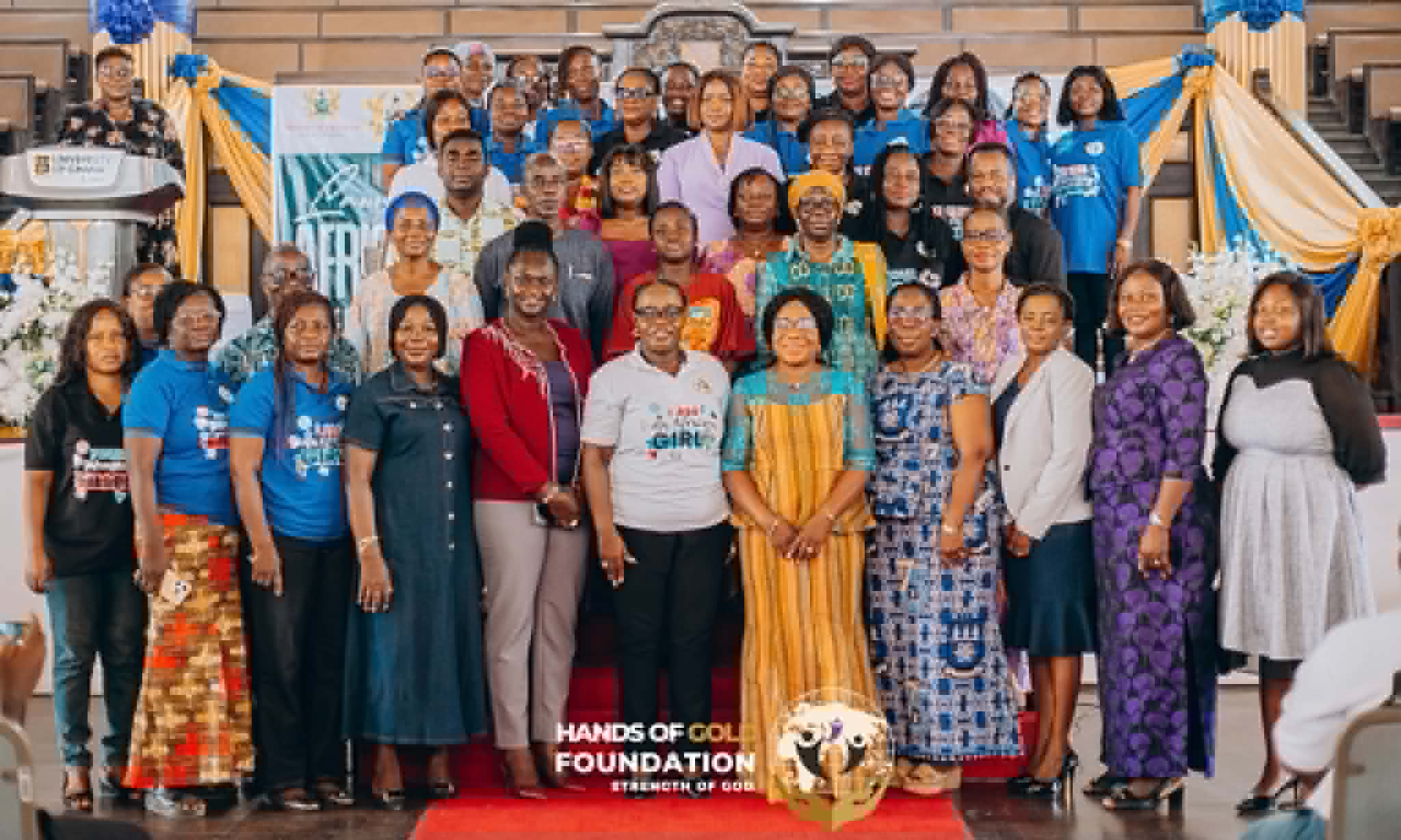
The launch, held amidst passionate calls for gender equality and educational inclusion, brought together educationists, policymakers, development partners and young girls, all united by one powerful vision of ensuring that every African girl has access to quality education regardless of her circumstances.
The atmosphere at the event reflected not just celebration, but determination.
Stakeholders acknowledged that although progress has been made in promoting girls’ education, many challenges still stand in the way of thousands of young girls across the continent.
The first phase of the Africa Educates Her Campaign, spearheaded by the African Union (AU), emerged during the devastating impact of the COVID-19 pandemic, which disrupted educational systems and pushed many vulnerable girls out of school.
Across communities, issues such as teenage pregnancy, child marriage and poverty threatened the dreams of many young girls.
However, through interventions such as back-to-school advocacy campaigns and community mobilisation spearheaded by the GES and its partners, many girls were reintegrated into the classroom while remote learning opportunities were introduced to reduce learning losses.
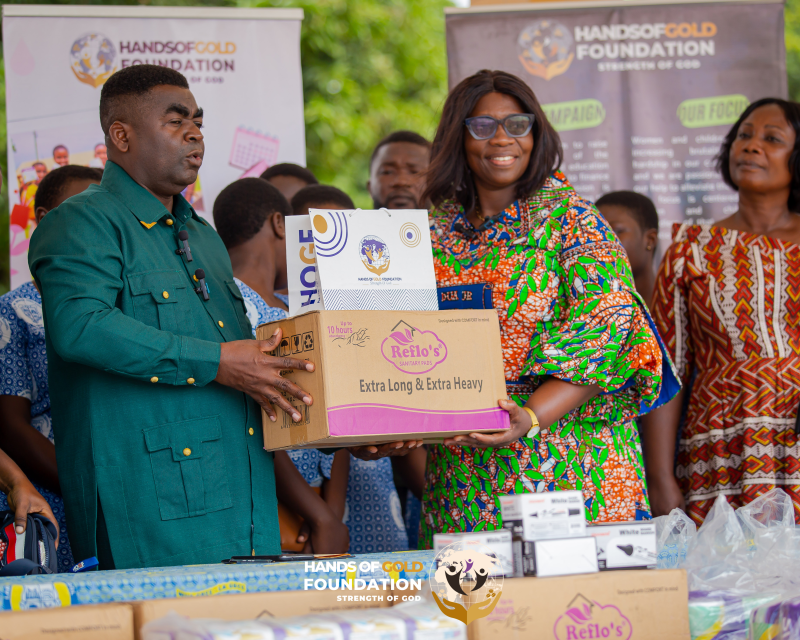
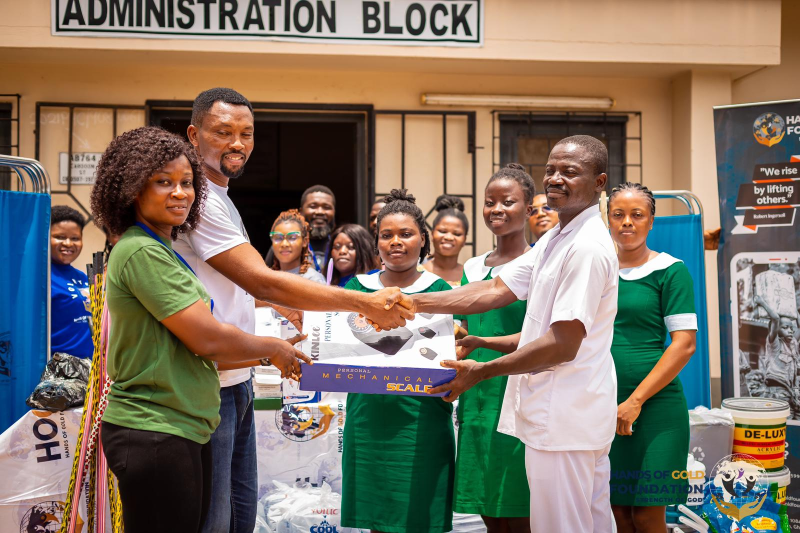
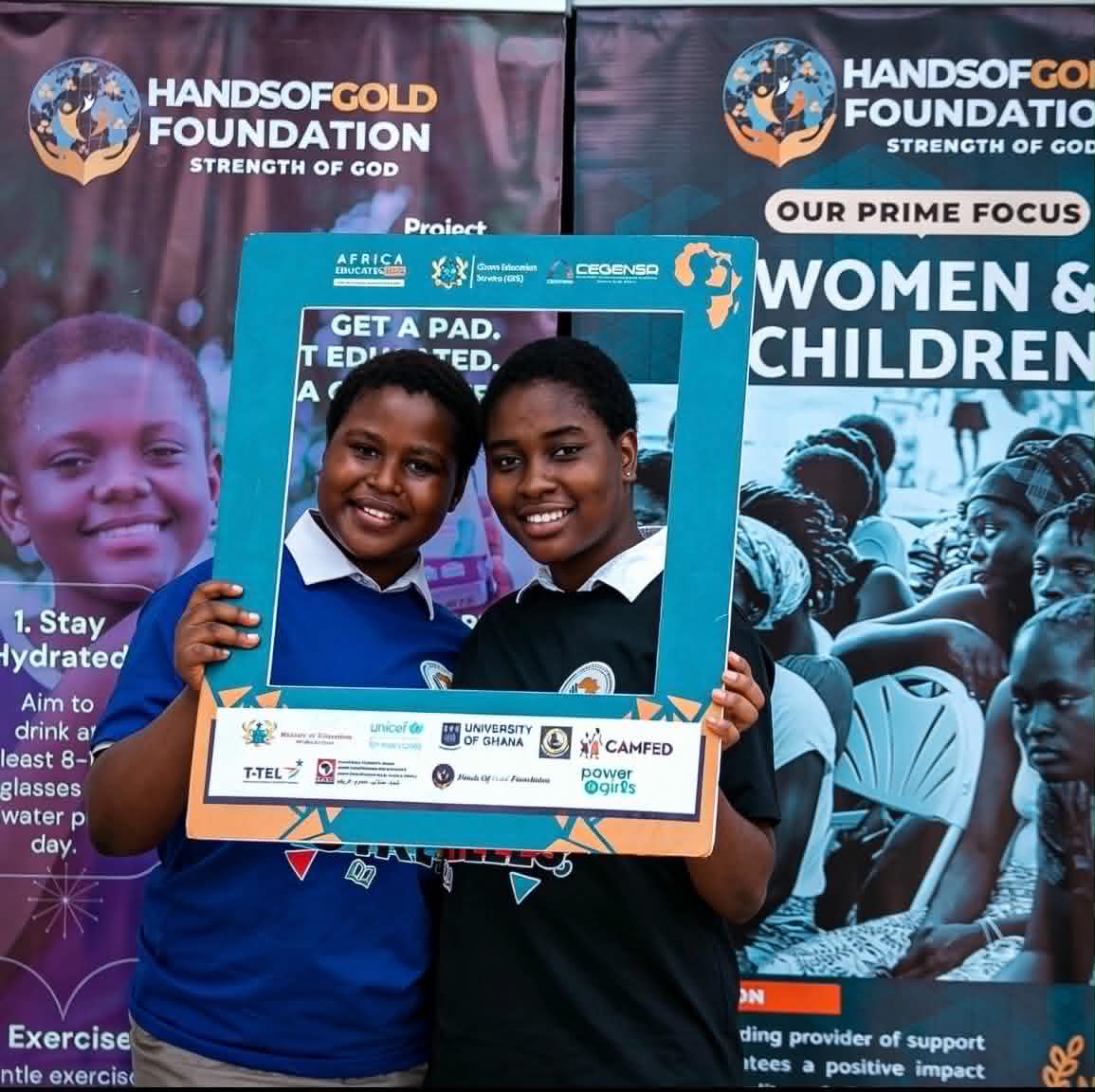
As part of the initiative, Hands of Gold distributed over 30boxes of sanitary pads to the school children.
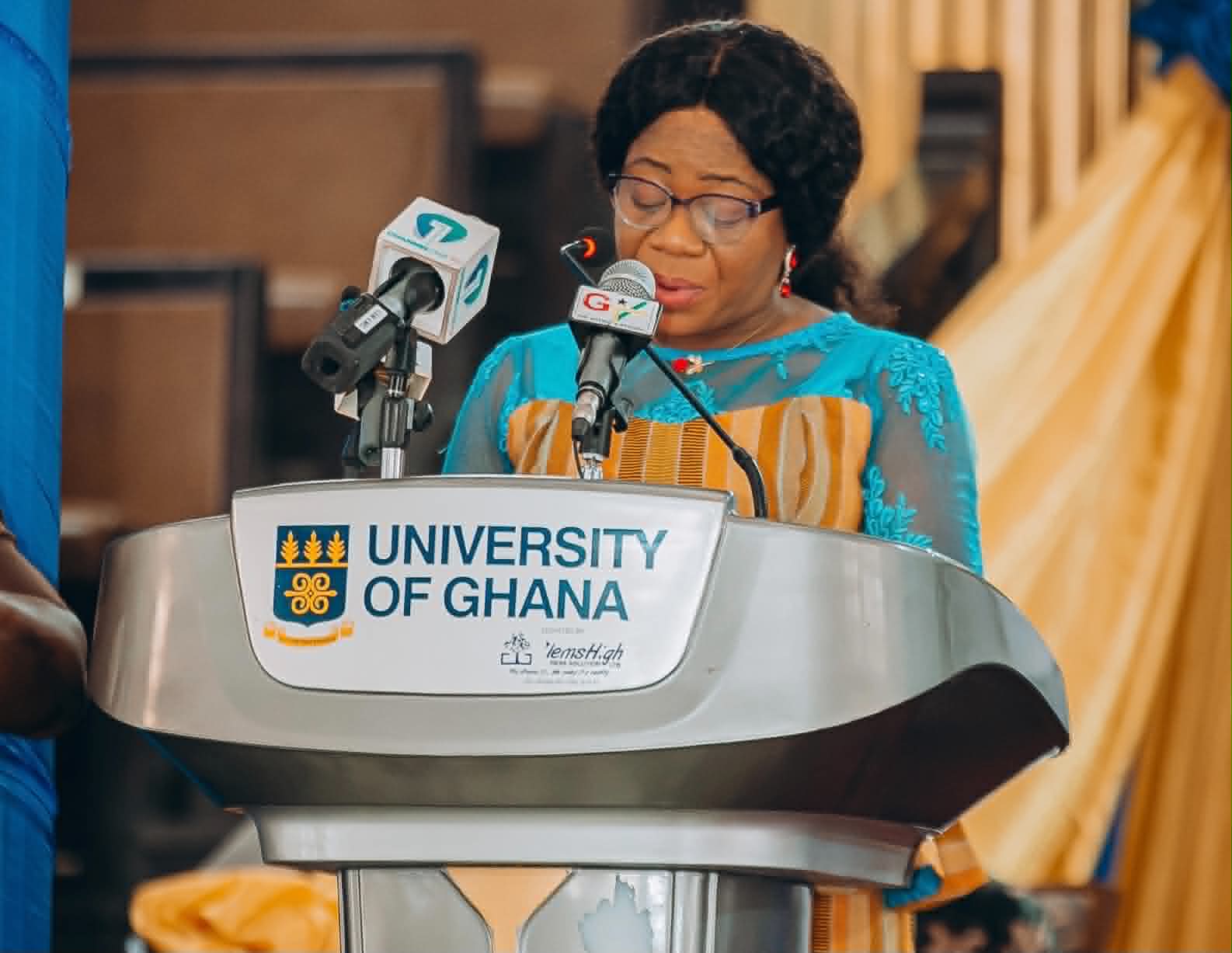
Speaking at the launch, the Deputy Director-General of the GES in charge of Monitoring and Supervision, Professor Smile Gavua Dzisi, described the second phase of the campaign as a bold and strategic step beyond pandemic recovery.
According to her, the campaign seeks to confront long-standing barriers to girls’ education including poverty, harmful cultural norms, conflicts and emergencies that continue to exclude girls from classrooms across Africa.
“This phase is more strategic because it goes beyond COVID-19 recovery. It is about building resilient systems that protect the education of the African girl under all circumstances,” she stressed.
Prof. Dzisi explained that the campaign would focus on key pillars including policy advocacy, research and data collection, community partnerships and capacity building.
These interventions, she noted, are expected to strengthen laws and policies that support girls, especially pregnant girls, to return to school and continue their education without discrimination.
She further highlighted the importance of strengthening data systems and supporting girls’ clubs in schools as part of efforts to track progress and create safe spaces for girls to thrive academically and socially.
The event also featured strong calls for collective action from leading voices in academia and environmental advocacy.
The Chief Executive Officer of the Environmental Protection Agency (EPA), Professor Nana Ama Brown Klutse, passionately appealed for increased support for the girl child, insisting that education must never be treated as a privilege reserved for a few.
“Education is a right,” she emphasized. “When we create the right environment for girls, we empower future scientists, researchers and leaders who will transform their communities and nations.”
Adding her voice to the call for empowerment, the Vice-Chancellor of the University of Ghana, Professor Nana Aba Appiah Amfo, encouraged young girls to remain bold, focused and courageous in pursuing their dreams.
She urged them to rise above societal limitations and position themselves for excellence, reminding them that the future belongs to those who dare to dream and work toward their aspirations.
As the curtains fell on the launch, one message remained clear: educating the girl child is not merely a social intervention, it is an investment in Africa’s future.
With organizations like Hands of Gold and institutions such as the GES leading the charge, the Africa Educates Her Campaign is not just restoring hope; it is rewriting the story of countless girls whose futures depend on the power of education.